$12.19
$21.45
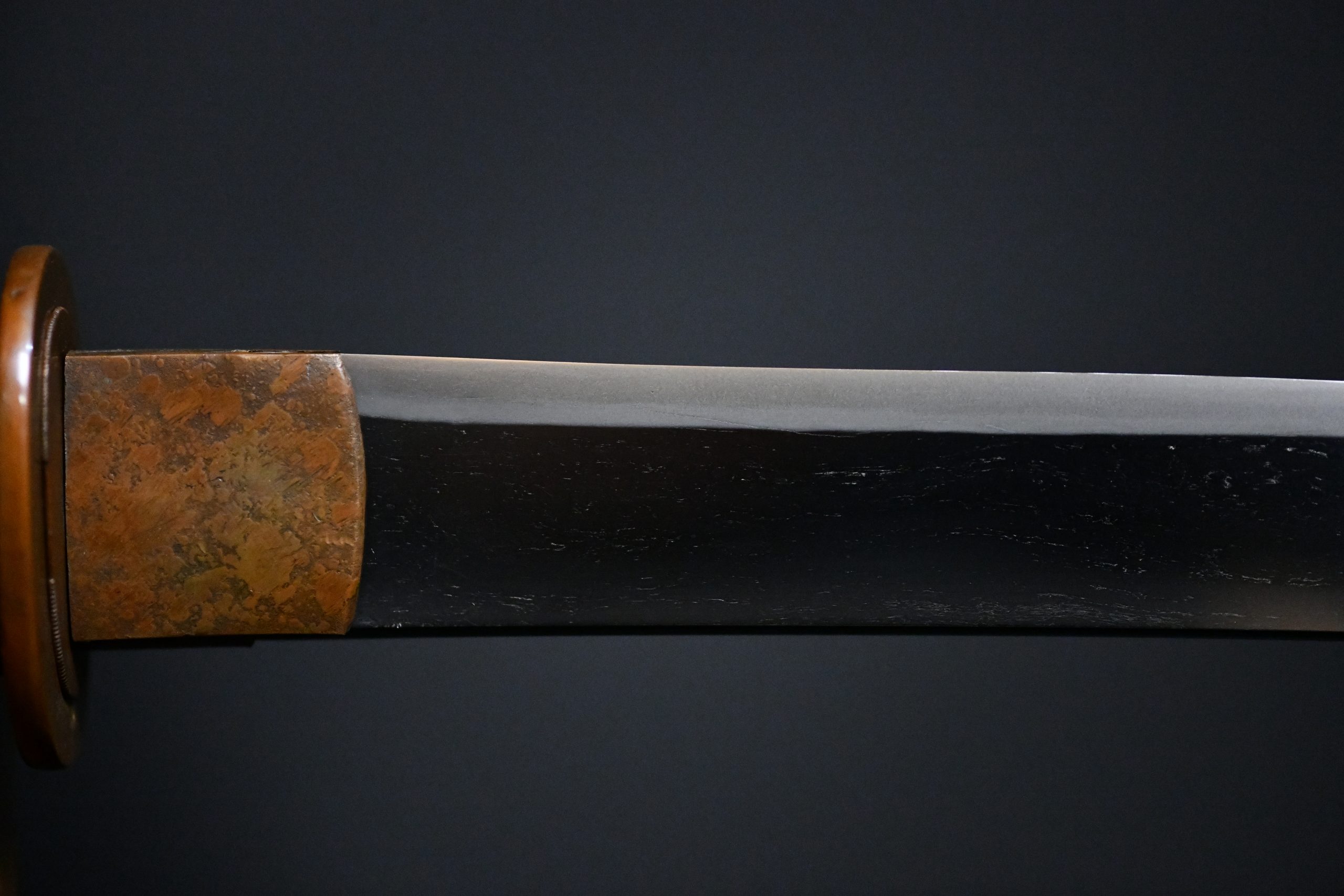
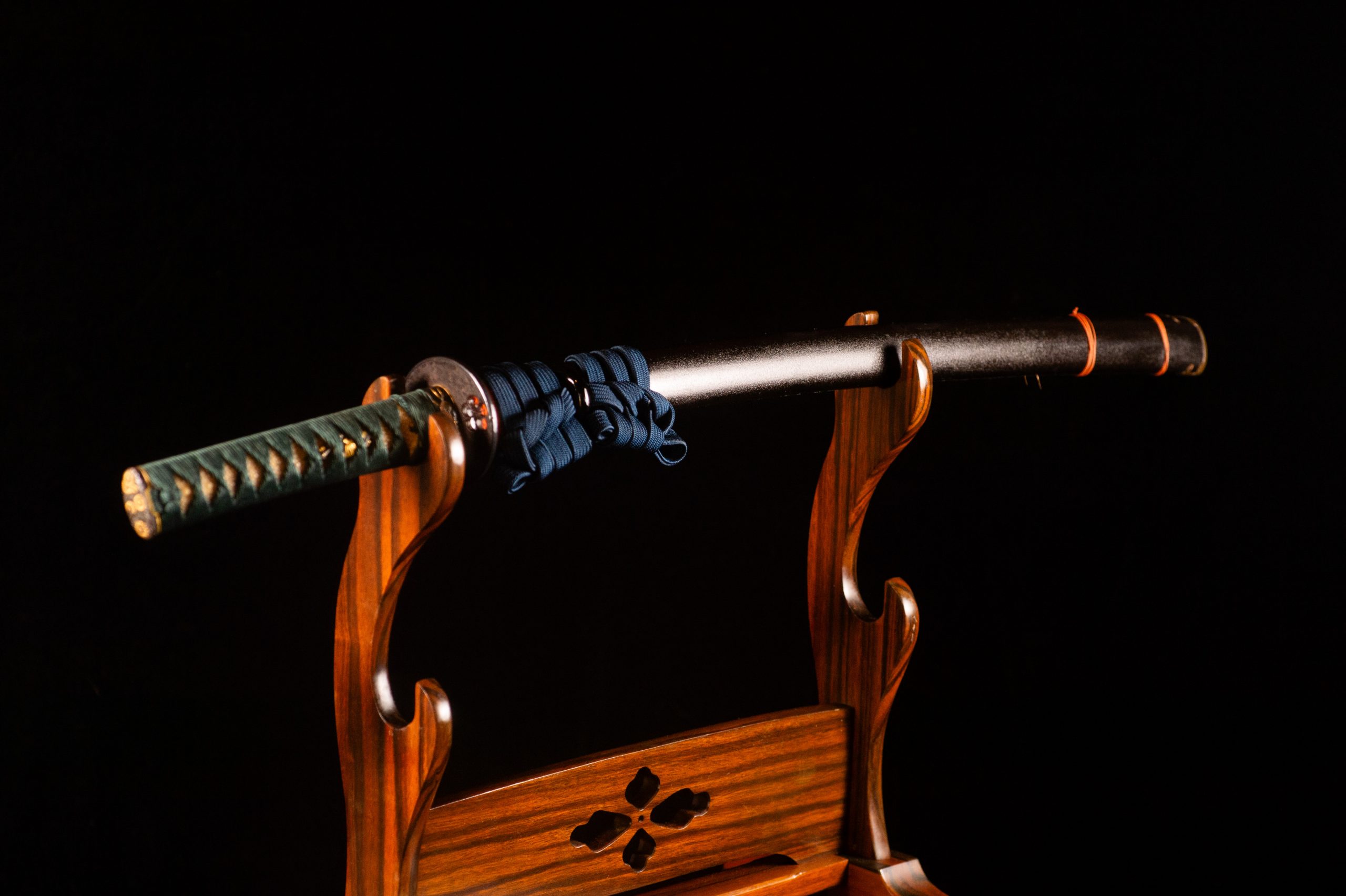
Description ITEM DESCRIPTION: Comes with kimono or cotton bag. Comes with certificate of supein Nihonto. Comes with copy of Tokosusho. Documentation A Japanese wakizashi with strong formal presence, featuring a mumei blade from the mid-Edo period and a koshirae likewise from the mid-Edo period, forming a coherent, restrained, and technically well-resolved ensemble. The piece stands out for its classical balance of samurai functionality and aesthetic presence: a clean-lined blade with clearly legible hamon, and a mounting of iron and lacquer with strong character. Documents (literal reading and translation) 銃砲刀剣類登録証Firearms and Swords Registration Certificate. 登録記号番号 福島県第43870号Registration number: Fukushima Prefecture No. 43870 刀剣類 / 種別:わきざしCategory / type: Wakizashi 長さ:50.6 cmBlade length (nagasa): 50.6 cm 反り:1.2 cmCurvature (sori): 1.2 cm 目くぎ穴:1個Mekugi-ana: 1 銘文(表裏):無銘Signature / inscription (omote-ura): Mumei (unsigned) 昭和48年9月20日交付Issue date: 20 September 1973 (Shōwa 48) 福島県教育委員会Issuing authority: Fukushima Prefectural Board of Education Smith, school, period, and context The blade is registered as mumei, yet its overall configuration fits a mid-Edo period wakizashi, both in proportions and in the visual language of the tempering. It is a piece conceived within buke culture for real use and civil wear, with an efficient and well-balanced reading. The koshirae, also from the mid-Edo period, follows the same logic: restrained materials, iron as the dominant medium, lacquer with strong character, and a solid overall execution—without excess, yet with refinement. Blade The blade presents a wakizashi sugata in shinogi-zukuri, with slender proportions, moderate curvature, and a very harmonious overall presence. The registered dimensions (50.6 cm) with 1.2 cm sori produce a fully classical silhouette for an Edo-period samurai wakizashi. The hamon is the strongest visual feature of the piece: a regular rounded gunome-midare is clearly visible, running continuously along the edge with even rhythm and strong readability. The pattern carries a visually Mino-flavored impression through its orderly repetition of gunome, resulting in a clean and attractive appearance. The jihada is currently partially veiled by old polish condition and surface wear, but the blade’s overall structure remains elegant and well-proportioned. The geometry retains good presence as a whole, and the profile line remains very pleasing. The nakago is ubu, mumei, with one mekugi-ana, well-set old dark patina, and a rounded-looking termination. It presents a direct and honest reading, characteristic of an old blade preserved in traditional condition. In overall condition, the blade shows old/tired polish, with surface oxidation and scattered staining, but preserves the essential elements that define the piece: a correct silhouette and a clearly visible hamon. Koshirae and overall coherence (mid-Edo period) The koshirae is one of the principal strengths of this wakizashi, not because of exuberance, but because of its historical and aesthetic coherence. The mounting clearly conveys a mid-Edo sensibility: iron as the main material, restrained decoration, and lacquer with personality. The saya has a dark base with strong red mottling/speckling (a finish with high visual contrast), giving depth and lively surface response under light. The sageo in mustard/gold tone reinforces the color contrast without breaking the balance of the ensemble. The tsuka is mounted with indigo-blue tsuka-ito over white samegawa with visible nodes, a classical and highly effective combination. The gilt menuki provide discreet highlights and integrate well with the rest of the mounting. The fuchi-kashira set presents classical decorative work on a dark base, with linear vegetal/arabesque ornamentation, fully consistent with an Edo iron-mounted koshirae. The tsuba, in iron and with lobed outline, has good visual mass and a dark brown patina well matched to the rest of the mounting. Its presence reinforces the restrained, martial character of the koshirae. Final technical sheet Type: Wakizashi Signature (mei): Mumei (無銘 / unsigned) Blade period: Mid Edo Koshirae period: Mid Edo Torokusho: Fukushima No. 43870 Torokusho issue date: 20/09/1973 (Shōwa 48) Nagasa: 50.6 cm Sori: 1.2 cm Mekugi-ana: 1 Sugata: Shinogi-zukuri wakizashi Hamon: Regular rounded gunome-midare Nakago: Ubu, mumei, old patina Koshirae: Complete; dark saya with red mottling, mustard/gold sageo, indigo-blue tsuka-ito, white samegawa, iron tsuba, decorated fuchi-kashira Overall condition: Blade with old polish and surface wear; hamon clearly visible; solid and coherent mid-Edo period mounting Relacionado
Wakizashi